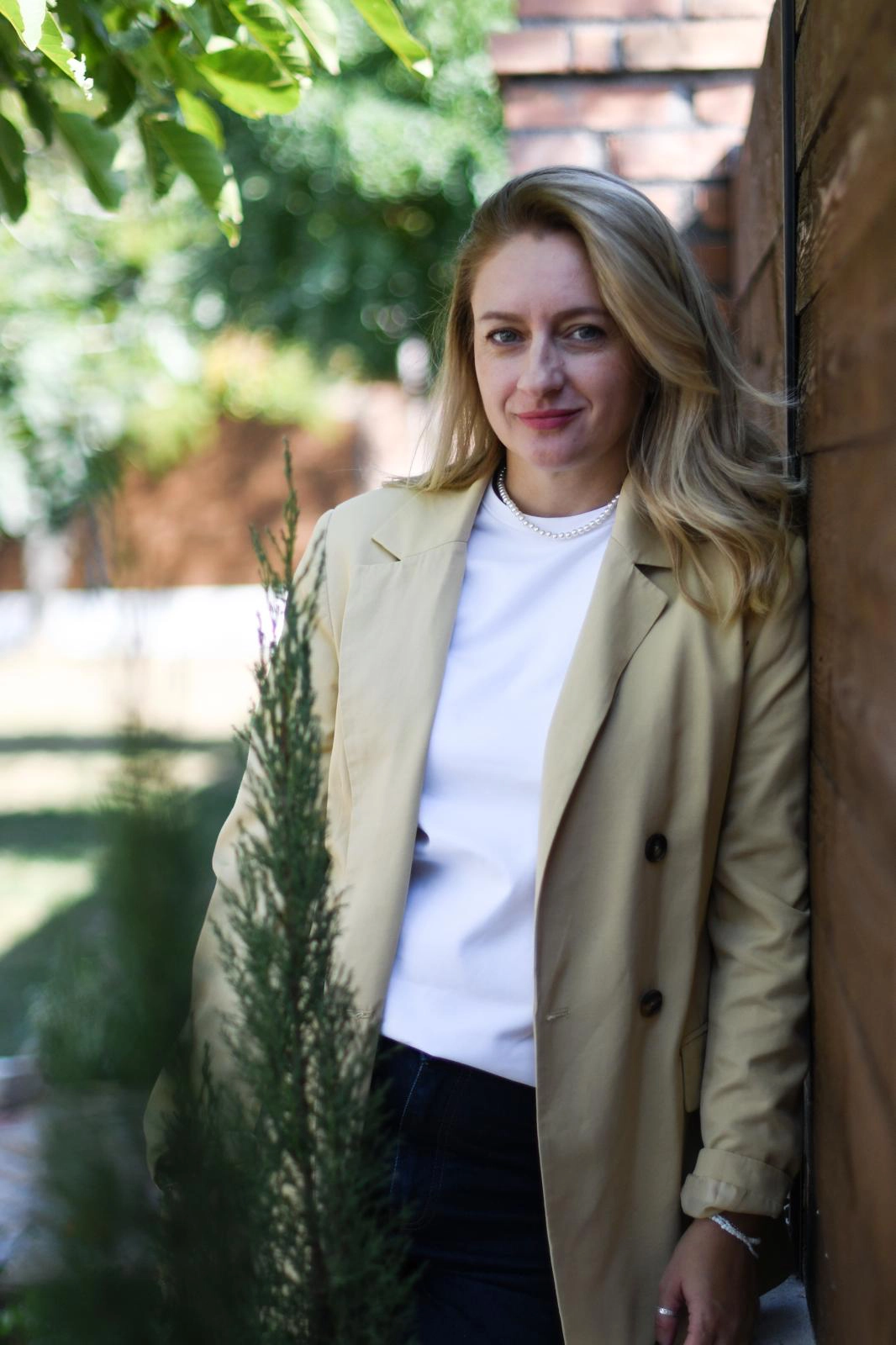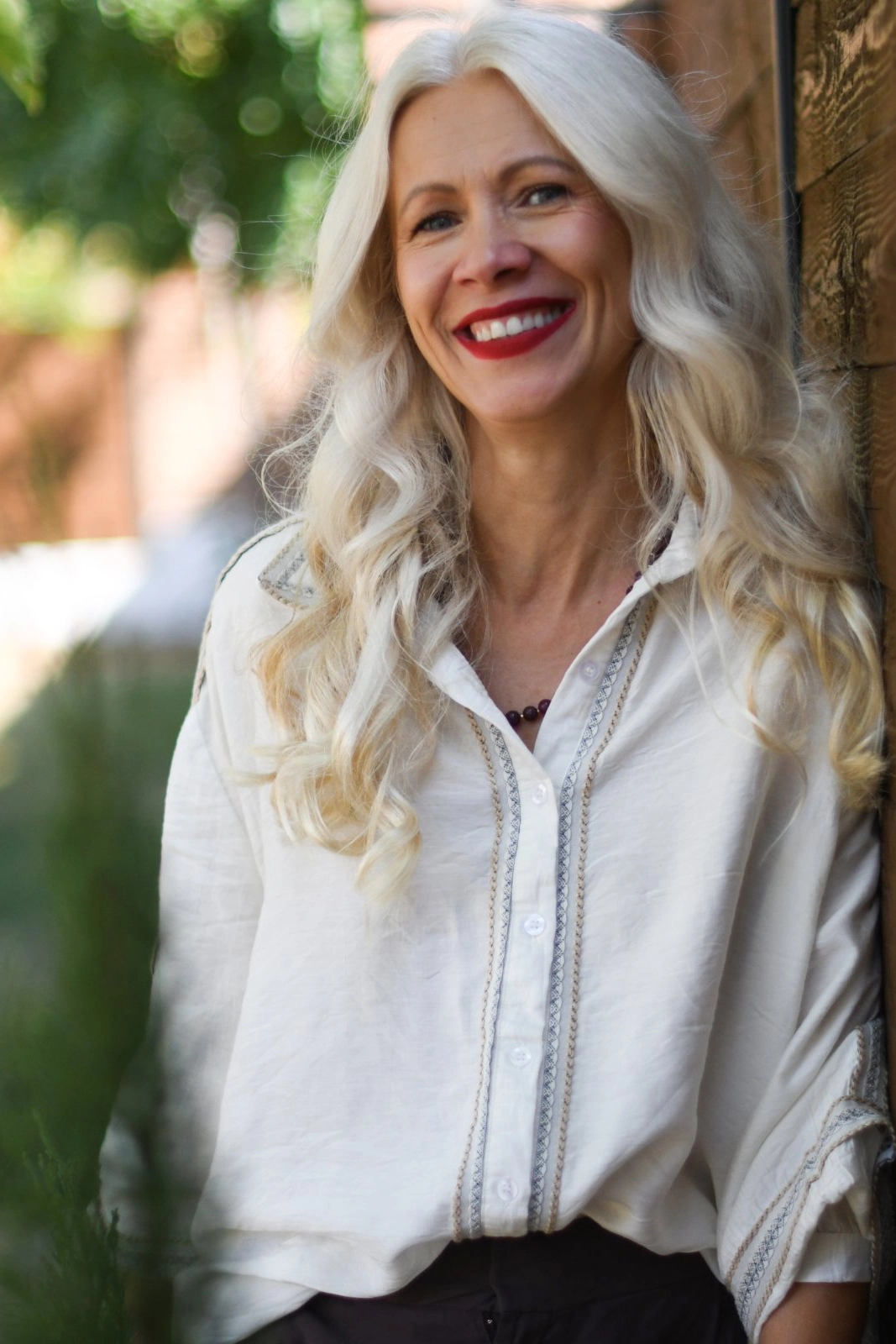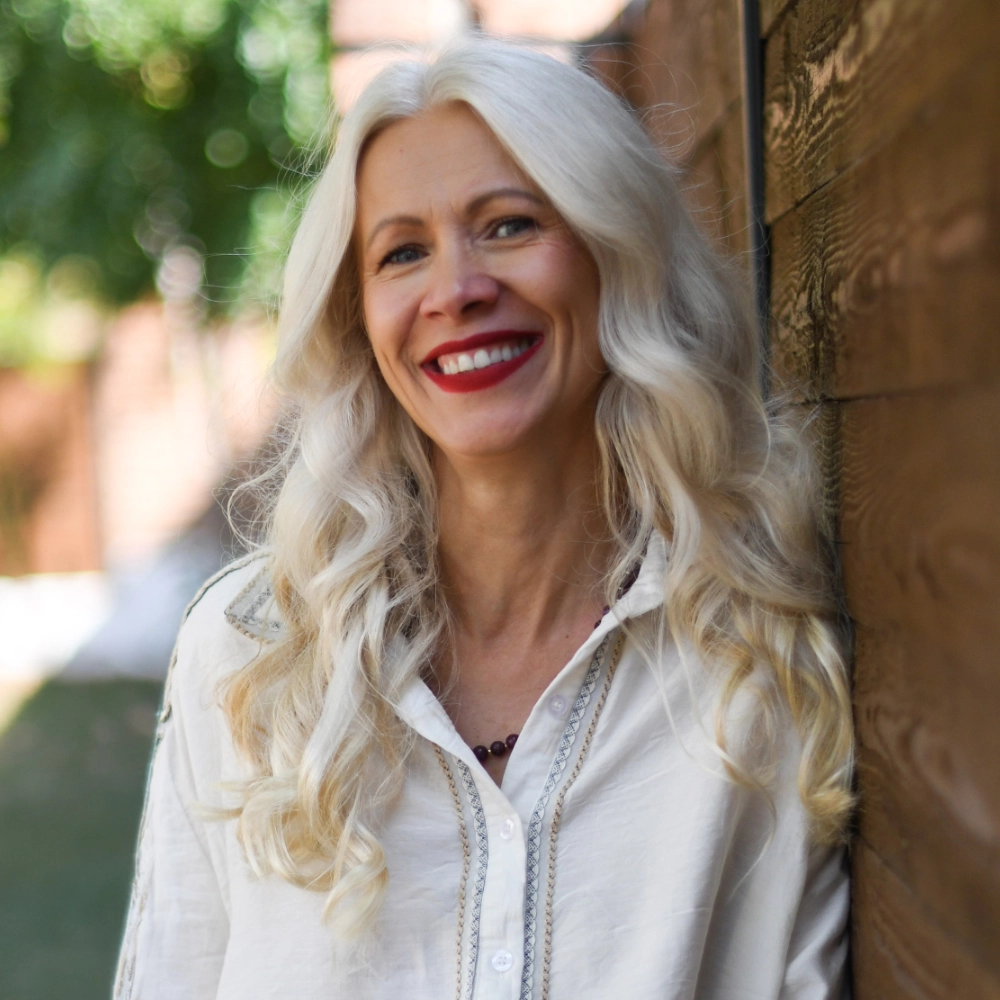
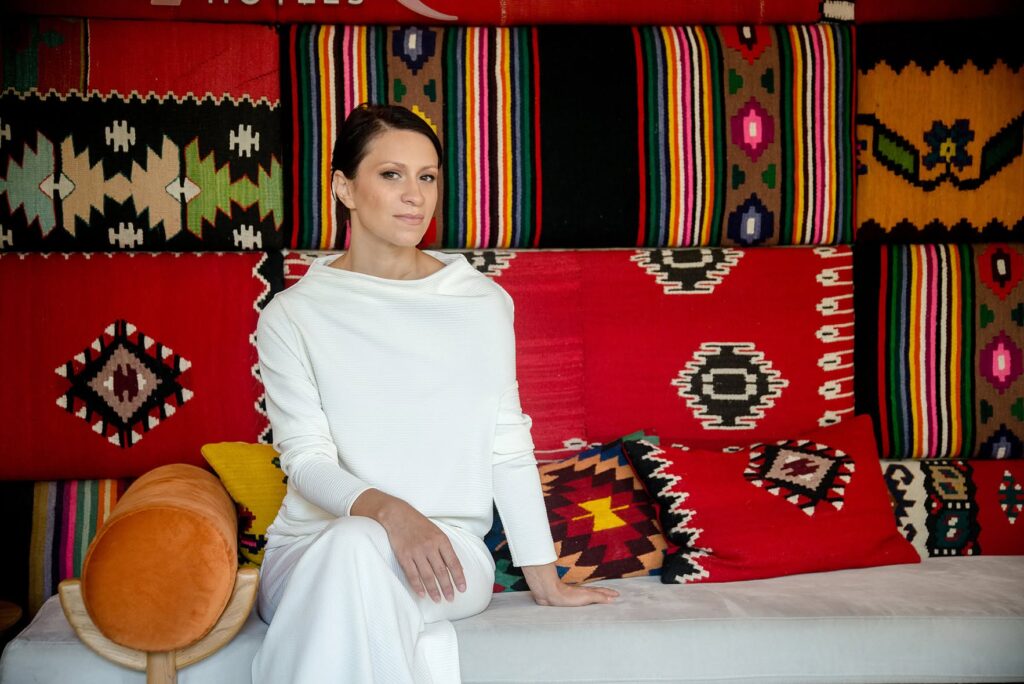
“Heritage is about much more than what we have received. It is a living story shaped by family experiences, the patterns we carry and the choices we make,” says Jasmina Stojanović, author of* Happiness as the Development of Consciousness, *in an interview with our website. Speaking to Keepers of Heritage – A Step Through Time, she reflects on how family heritage and personal experience shape us, what we consciously choose to preserve, and what we pass on through the way we live to the generations that follow
When we speak of heritage, we often think of what we have received from previous generations. But what do we carry within us through our families, their values, stories and ways of life?
I believe that much of our heritage lives in what we perceive as our own nature: the way we think, react, love, make decisions, build relationships and understand the world around us. Heritage is passed down through things that are simply taken for granted, through family patterns of behaviour, our attitudes towards money, work, education and emotions, and the ways our ancestors responded to the circumstances of their lives. We continue some of these patterns almost unconsciously, while others gradually come to be understood from a different perspective as we move through life.
For me, heritage also has a strong psychological and anthropological dimension. It brings together personal and collective history, and what we call our identity is often the result of a story that began long before our own birth.
In your work, you often speak about conscious living and personal development. Can we also look at our relationship with heritage as a question of awareness: what we choose to preserve and what we choose to pass on?
Personal development involves recognising the inner structures that shape our choices. When we apply this principle to heritage, we arrive at a fascinating process in which we become aware that we belong to a particular family, cultural and social tradition, while also recognising our ability to shape it through the way we live.
In this sense, heritage is a living concept. Each generation interprets it in light of its own experiences, circumstances and values. Awareness allows us to recognise what is precious, understand what may have emerged in response to a different time, and decide what kind of legacy we want to leave behind.
For me, this is one of the most meaningful expressions of personal responsibility, because our relationship with heritage ultimately reflects our relationship with the future.
“Heritage is about much more than what we have received. It is a living story of family histories, inherited patterns and conscious choices.”
Every generation leaves something behind. What do you think people today are passing on to future generations beyond material possessions?
We leave behind the way we lived and the world we shaped through our decisions. We leave the values we promoted, the relationships we built, the knowledge we created and shared, as well as the social patterns we accepted as normal.
It is particularly important to understand that future generations will also inherit the consequences of our collective choices, from our relationship with nature and natural resources to the way we understand work, success, community and human worth.
We live in a time when we produce enormous amounts of information, content and digital traces. Our legacy will therefore probably be far more extensive, yet also more difficult to interpret, than that of previous generations. What particularly interests me is how much of it will truly tell the story of the quality of our lives, our relationships and the things we considered important.
As an author and editor, I like to think of books as one form of this legacy. A book gives someone’s thoughts the opportunity to live on, even after the circumstances in which they were written have completely changed. And yet, I believe our deepest impact is often far less visible. It lives on in the people we have influenced, in how they understand themselves and the world, and in the decisions they may make because of something we shared with them.
“The deepest mark we leave is not found in written records, but in the people we have touched.”
In one of your texts, you wrote: “You are writing your own history.” Can we say that each of us, through our choices and the way we live, helps shape the legacy of the future?
Our personal history takes shape every day, through the decisions we make, the relationships we build, the things to which we devote our time and attention, and the way we respond to the circumstances we are given.
When I look back on my own professional journey, from working in newsrooms and editing magazines to translating and publishing books, and eventually to my own writing and the programmes I develop today, I can see how each phase has built on the previous one and how each has left something that became the foundation for what followed.
While we are living through an experience, we often have only a partial understanding of its significance. It is only with the benefit of time and distance that we begin to recognise the continuity between different stages of our lives.
I think the same is true of heritage. We are creating something today whose full meaning may only be understood by those who come after us. That is why I find it important to remember that every person plays a part in history, even if their name is never recorded in history books. Our influence takes many forms, and some of the most meaningful are found in the ordinary moments of everyday life.
How important are the stories we tell children in shaping what they will remember and pass on one day? Is storytelling perhaps one of the first ways heritage is passed down?
Storytelling is one of the oldest ways in which human beings pass on experience and make sense of the world. Long before written records and formal education, people used stories to share knowledge of their origins, communities, nature, values and the principles of everyday life.
I believe storytelling is deeply connected to our need to belong and to understand our place in the world. Through family stories, children come to know people they may never have met, the circumstances in which their ancestors lived, the decisions they made and the events that shaped their family. At the same time, these stories introduce them to a particular way of interpreting the world. How we speak about the past, success, failure, love, loss and life’s choices becomes part of their inner narrative.
As a mother, I am particularly aware of how important it is to consider not only what we pass on to our children, but also how we do so. I believe it is invaluable to give them enough space to understand family stories from their own perspective, to ask questions and develop their own relationship with them. In this way, a story continues to live, takes on new meanings and connects generations, even when their life experiences are very different.
We live at a fast pace today, and so much passes almost without a trace. What, in your view, is worth slowing down for, preserving and remembering?
Above all, I believe it is worth preserving our attention. It has become one of our most valuable resources, because what we choose to pay attention to shapes the quality of our experiences, the relationships we build and the memories we carry with us.
Today, we have almost unlimited ways to record every moment, yet we increasingly feel that time is slipping away. Photographs, messages and digital archives preserve vast amounts of information about our lives, but it is the experience behind that information that gives it meaning.
It is worth slowing down for a conversation that lasts longer than we planned, for people whose stories we still have the opportunity to hear, for places that form part of our identity, and for knowledge and skills passed on through direct experience. It is also worth preserving ordinary days, because they make up most of a life.
„Vreme Za“ is a space for connection, conversation and people’s stories. Through your conversations with people from different walks of life, what have you learned about what truly matters to us?
Over the years, through my work in the media and publishing and my conversations with people from different professions and walks of life, I have been particularly struck by how our ideas about what matters change over time. Something we see as a major goal at one stage of life can take on an entirely different meaning at another.
Through my work on the “Vreme Za” portal, as well as through the books and programmes I develop, I keep returning to questions of happiness, meaning, success and quality of life. It seems to me that, despite our different ambitions and life paths, many human stories ultimately come back to similar needs: to feel connected, to find meaning in our lives, to be free to be ourselves, and to know that what we do has value beyond ourselves.
I particularly value conversations in which people begin to question their own definitions of success, because this often opens the door to a much more honest understanding of what truly matters to them. I think our relationship with heritage changes in much the same way. As we gain experience, we begin to see what we have received differently, and to reconsider what we want to leave behind.
If you could leave future generations one value, one story or one life lesson as your personal legacy, what would it be?
I would like it to be the awareness that we have the ability to understand and shape our own lives, to recognise what truly matters to us and to make decisions based on that understanding.
Much of my work has been devoted to this very subject, from my book “Happiness as the Development of Consciousness” to programmes that bring together personal development, awareness, values and purpose. The more I learn and work with people, the more clearly I see how important it is to develop the ability to understand ourselves, our motivations, beliefs and patterns, because the way we relate to ourselves ultimately shapes how we live with others.
If I had to sum it up in a single life lesson, I would say that it is important to learn to distinguish between what we have inherited, what we have adopted and what we have chosen for ourselves. That distinction creates considerable room for freedom, responsibility and personal growth.
And when I think about heritage in the most personal sense, I would like to leave behind books that help someone understand themselves a little better, people who carry fond memories of the time we shared, and perhaps most importantly, a sense that life is worth exploring, that there is always something new we can learn, understand and create.
“What we leave behind says a great deal about the way we have chosen to live.”
Jasmina Stojanović